
If you’ve noticed a musty smell in your basement, a dark ring around a window frame, or unexplained sneezing every time you walk into a certain room, you’re probably already searching for mold inspection services in Iowa Falls. That instinct is a good one. Mold rarely stays a small problem for long, and in a town like Iowa Falls, where humid summers meet older homes and plenty of basements, the conditions for mold growth are almost built in.
Professional Touch Inc has spent years walking through Iowa Falls homes, crawlspaces, and basements, looking at the same handful of trouble spots over and over. This guide walks you through what a real mold inspection looks like, what it costs, how to tell if you actually need one, and who you should call when you do.
Why Mold Is Such a Common Problem in Iowa Falls Homes
Iowa Falls sits in a part of the state that gets a genuine mix of weather extremes: humid, sticky summers, cold winters, and a lot of freeze-thaw cycling in between. That combination is rough on building materials. Basements built decades ago, many without modern vapor barriers, are especially vulnerable to moisture creeping in through foundation walls. Add in older plumbing, aging roofs, and attics that were never properly ventilated when the house was built, and you’ve got a near-perfect setup for hidden mold colonies.
A lot of homeowners assume mold is only a problem after a flood or a burst pipe. In reality, slow, quiet moisture – the kind that seeps in from a cracked foundation or condenses on a cold basement wall in July – causes just as much damage. It just takes longer to notice.
What Is a Mold Inspection?
This is one of the most common questions people search for, and it deserves a straight answer.
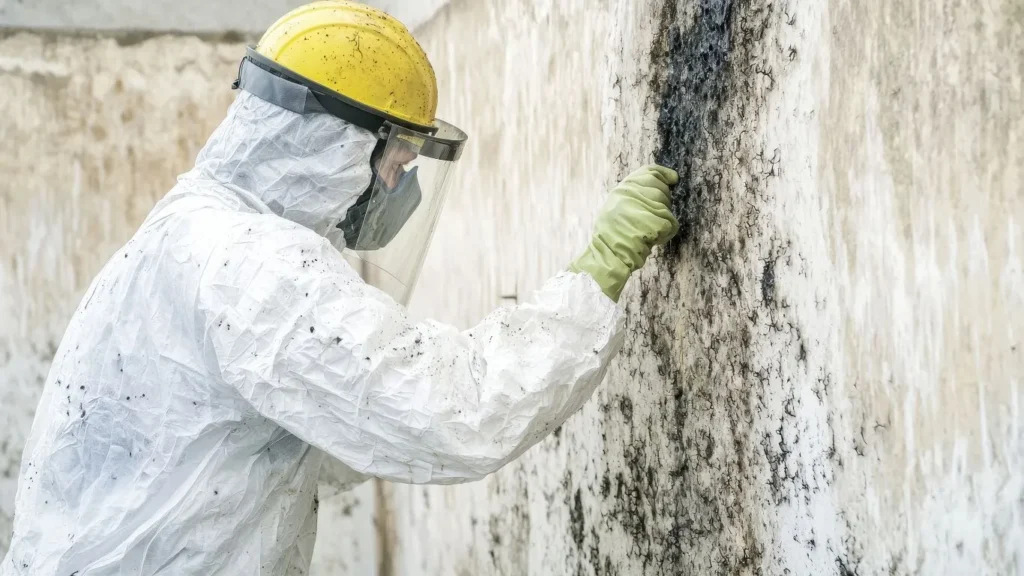
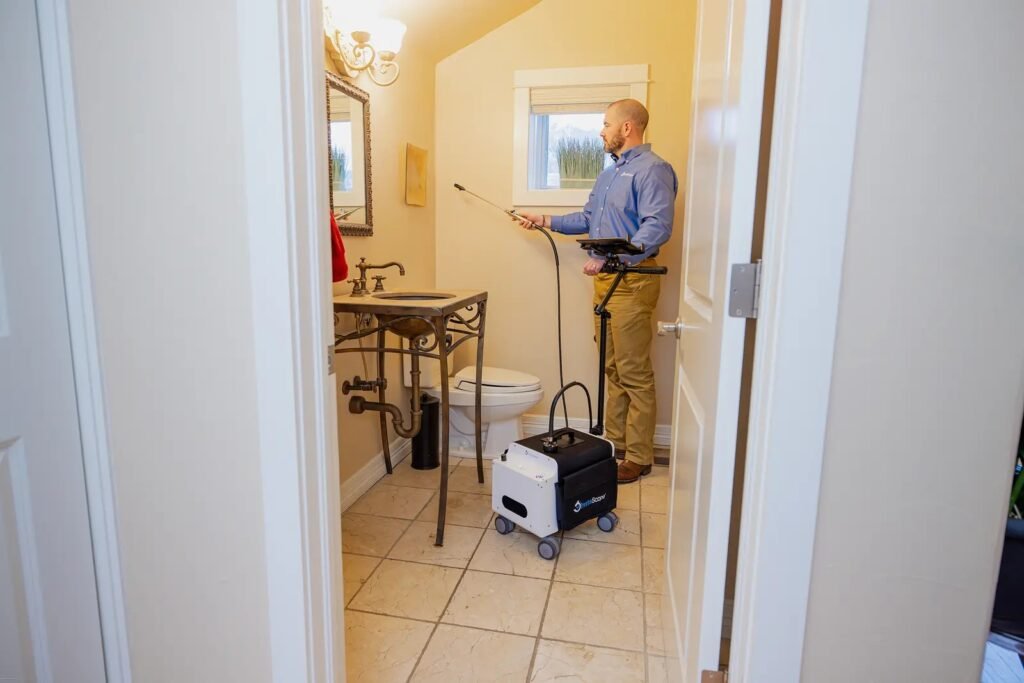
What is a mold inspection? A mold inspection is a visual and technical evaluation of a property to identify current mold growth, moisture sources, and conditions that could lead to mold in the future. An inspector examines high-risk areas like basements, attics, crawlspaces, and bathrooms, uses tools like moisture meters and sometimes thermal imaging cameras, and may collect air or surface samples for lab analysis.
It’s worth separating two terms people often mix up:
- Mold inspection is the process of physically examining a property to find visible mold, hidden moisture, and conducive conditions.
- Mold testing refers specifically to collecting samples (air, surface, or bulk) and sending them to a lab to identify the type and concentration of mold spores present.
Many inspections include testing as part of the process, but not every inspection requires lab samples. If mold is clearly visible and the source is obvious, a skilled inspector may not need a lab test to confirm what’s already in front of them. If mold is suspected but not visible, air sampling becomes much more useful.
How Is a Mold Inspection Done? A Step-by-Step Walkthrough
Homeowners often picture a mold inspection as someone walking around with a flashlight for ten minutes. The real process is more thorough than that, and understanding it helps you know what you’re paying for.
How is a mold inspection done? A professional mold inspection typically follows this sequence:
- Initial consultation. The inspector asks about symptoms you’ve noticed, past water damage, recent leaks, or musty odors, and which areas of the home concern you most.
- Visual assessment. Every accessible area is checked, starting with the highest-risk zones: basement corners, around windows, under sinks, behind appliances, in crawlspaces, and in the attic near roof penetrations.
- Moisture mapping. Using a moisture meter, the inspector checks drywall, wood framing, and flooring for elevated moisture readings, even in spots with no visible staining.
- Thermal imaging (when applicable). An infrared camera can detect temperature differences behind walls that often indicate hidden moisture or past leaks that aren’t visible to the naked eye.
- Air and surface sampling. If mold is suspected but not clearly visible, or if you want a baseline reading of indoor air quality, samples are collected and sent to an independent lab.
- HVAC and ventilation check. Poor airflow is one of the biggest contributors to indoor mold, so ductwork, bathroom fans, and attic ventilation get a look as well.
- Written report. You receive a detailed report outlining findings, photos of problem areas, moisture readings, lab results (if applicable), and recommendations for next steps.
That last step matters more than people expect. A report you can actually read and act on, not just a checklist, is what separates a useful inspection from a rushed one.
Signs You May Need a Mold Inspection
Not every homeowner needs to schedule an inspection immediately, but certain signs shouldn’t be ignored:
- A persistent musty or earthy smell, especially in basements or closets
- Visible discoloration on walls, ceilings, or around windows
- Recent water damage, a leaky roof, flooding, or a slow plumbing leak
- Condensation that regularly builds up on windows or pipes
- Unexplained allergy-like symptoms that improve when you leave the house
- A home purchase where the inspection history is unknown
- Recently discovering standing water in a crawlspace or sump pit
If two or more of these apply to your home, it’s worth having a professional take a closer look rather than guessing based on a quick internet search.
How Much Does a Mold Inspection Cost?
This is easily the most searched question on the topic, and the honest answer is: it depends on the size of the home and whether lab testing is included.
How much does it cost for a mold inspection? In most markets, including areas like Iowa Falls, a standard mold inspection for an average-sized home typically runs somewhere in the range of $200 to $600 for a visual inspection alone. If air or surface sampling with lab analysis is included, the total often falls between $300 and $800, depending on how many samples are collected and how large the property is. Larger homes, homes with extensive crawlspaces, or properties requiring multiple sample points can run higher.
How much does mold inspection cost compared to remediation is another common point of confusion. Inspection is the diagnostic step, figuring out what’s there and where it’s coming from. Remediation, the actual removal and cleanup, is priced separately and depends entirely on the scope of the problem once it’s identified. Paying for an accurate inspection first almost always saves money in the long run because it prevents homeowners from paying for remediation work they don’t actually need, or missing a source that causes the mold to come right back.
A few factors that can affect your specific quote:
- Square footage of the home
- Number of suspected problem areas
- Whether lab sample testing is requested
- Crawlspace or basement accessibility
- Urgency (same-week scheduling versus standard booking)
Getting a clear, itemized quote upfront, rather than a vague estimate, is one of the simplest ways to tell a trustworthy inspector from one cutting corners.
Who to Call for Mold Inspection in Iowa Falls
Who to call for mold inspection? The short answer: a licensed, experienced local inspector who doesn’t also profit from selling you remediation work you may not need. That’s not a knock on companies that do both, but it’s worth asking directly how the company handles that potential conflict of interest, and whether their inspection process is independent and unbiased.
When choosing who to call, look for:
- Experience specific to your region’s housing stock and climate
- A clear explanation of their process before you book
- Transparent pricing, not just “call for a quote”
- A sample report you can review before hiring them
- Straightforward communication, no scare tactics, no pressure
Professional Touch Inc has built its reputation in Iowa Falls on exactly that kind of straightforward approach: showing up, explaining what’s found in plain terms, and giving homeowners a clear picture of what’s actually going on in their home, without the sales pressure that some companies lean on.
What Happens After the Inspection
Once your inspection is complete, you’ll typically get one of three outcomes:
- No significant mold found, but possibly some conducive conditions worth monitoring, like a slightly humid crawlspace or a ventilation gap.
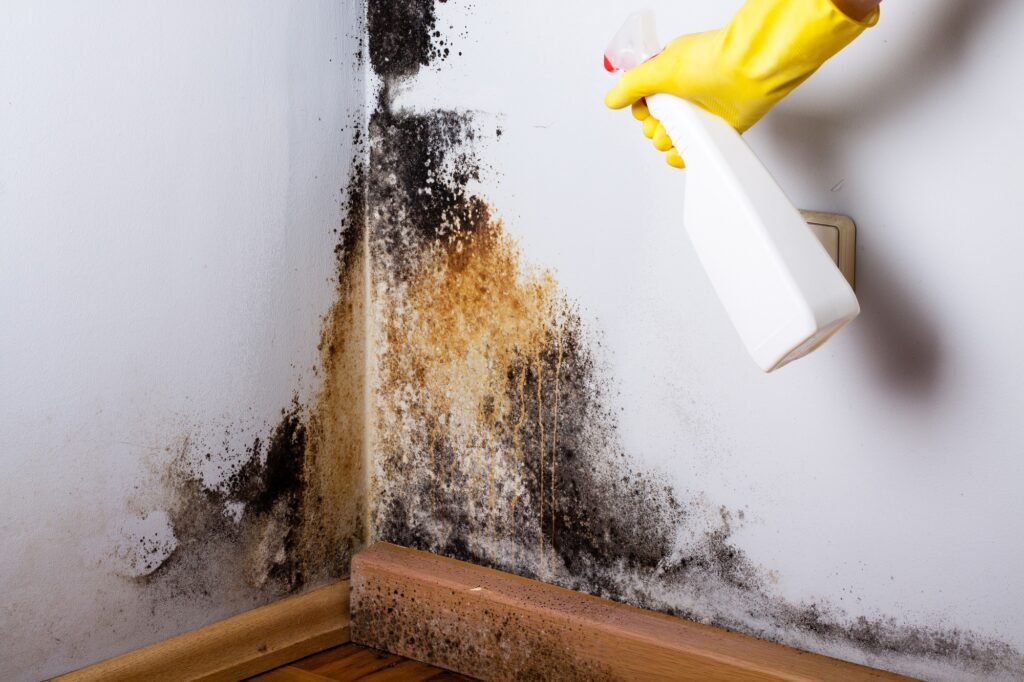
- Localized mold found, meaning a specific, containable area needs remediation, often tied to one clear moisture source.
- Widespread mold found, which usually points to a larger, ongoing moisture issue such as a chronic leak, poor drainage, or long-term humidity problems that need addressing before remediation will actually hold.
Whatever the result, a good inspection report gives you the information to make an informed decision, whether that means scheduling remediation, fixing a moisture source yourself, or simply keeping an eye on things going forward.
Conclusion
Mold problems rarely announce themselves loudly. They show up as a faint smell, a small stain, or a cough that won’t quite go away, and by the time they’re obvious, they’ve usually been growing for a while. A professional mold inspection takes the guesswork out of the equation. It tells you exactly what’s in your home, where it’s coming from, and what it will actually take to fix it.
If you’re in Iowa Falls and something feels off in your basement, attic, or crawlspace, don’t wait for it to get worse. Professional Touch Inc offers thorough, honest mold inspections built around the specific challenges of Iowa homes, with clear pricing and reports you can actually understand. Reach out today to schedule an inspection and get real answers instead of guesswork.
FAQ’s
What is a mold inspection?
A mold inspection is a professional evaluation of a home to identify visible mold, hidden moisture problems, and conditions that could lead to future mold growth. It typically includes a visual inspection, moisture readings, and sometimes lab testing to confirm findings.
How much does mold inspection cost?
Most standard mold inspections cost between $200 and $600, depending on home size. If lab sample testing is included, total costs often range from $300 to $800. Larger homes or more extensive testing can increase the final price.
How is a mold inspection done?
An inspector visually examines high-risk areas like basements and attics, uses a moisture meter and sometimes thermal imaging to detect hidden moisture, may collect air or surface samples for lab testing, and provides a written report with findings and recommendations.
Who to call for mold inspection?
Call a licensed, experienced local inspector with transparent pricing and a clear process. Professional Touch Inc serves Iowa Falls homeowners with honest, thorough mold inspections and straightforward reporting you can actually understand.
Can I do a mold inspection myself?
You can look for visible signs like staining or musty odors, but DIY test kits are often unreliable and don’t detect hidden moisture behind walls. A professional inspection with proper tools gives far more accurate, actionable results.
How long does a mold inspection take?
Most residential mold inspections take between one and three hours, depending on home size and the number of areas being checked. If lab samples are collected, results typically take a few additional business days to come back.