
The moment most homeowners discover mold is rarely dramatic. It is a musty smell that will not go away, a faint discoloration behind the washing machine, or a damp patch in the basement that never quite dries out. What happens next matters more than people realize. Wipe it with bleach and paint over it, and there is a good chance it comes back within months, sometimes worse than before. Call in a professional mold remediation crew, and the process looks entirely different: methodical, contained, and aimed at the actual cause rather than the surface stain.
Understanding how that process actually works helps you know what you are paying for, what “safe” and “effective” really mean in this context, and when a problem has crossed the line from a weekend chore into a job for trained professionals. This guide walks through exactly how mold remediation is done, step by step, why each step exists, and how to know whether you need it at all.
Mold Remediation vs. Mold Removal: What Is the Difference?
These two terms get used interchangeably, but they describe different parts of the same job, and understanding the split helps you know what a quote actually covers.
Mold removal is the physical demolition side: tearing out ruined drywall, insulation, carpet, or wood that mold has compromised beyond cleaning, and hauling that contaminated material off the property. Mold remediation is the broader, more complete process. It includes removal where necessary, but it also covers containment, cleaning of surfaces that can be salvaged, structural drying, and, critically, correcting the moisture problem that let the mold grow in the first place. Remediation is the difference between fixing the visible symptom and fixing the underlying condition.
A company that only removes the moldy material without addressing the moisture source is handing you a problem that will return. A genuine remediation service treats the water intrusion or humidity issue as part of the job, not an afterthought.
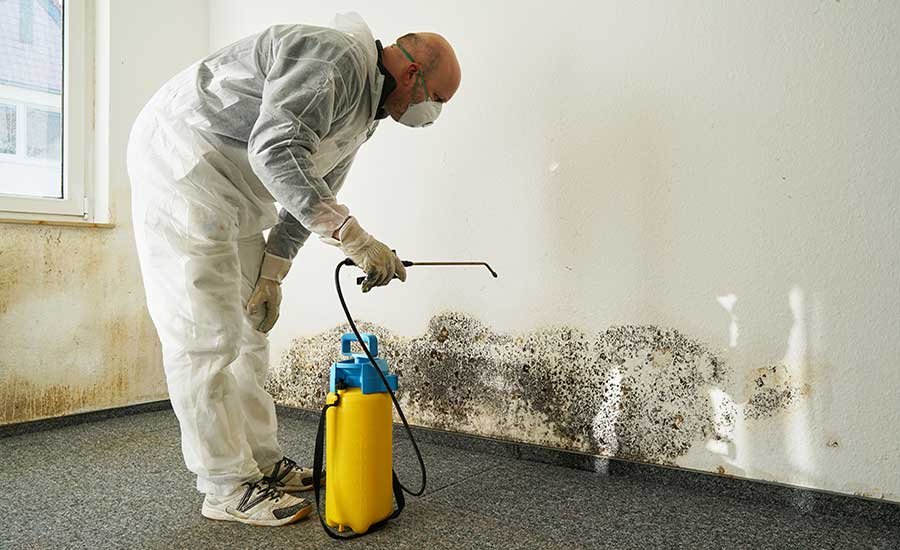
The Mold Remediation Process, Step by Step
Here is what a properly run remediation project actually looks like from start to finish. The specifics vary with the size of the job, but the sequence rarely changes.
Step 1: Inspection and Assessment
Before any work begins, a trained technician identifies where the mold is, how far it has spread, and, most importantly, where the moisture is coming from. This usually involves a visual inspection, moisture meter readings on walls and framing, and sometimes air sampling to check spore levels in different parts of the home. Skipping this step is one of the most common reasons DIY attempts and low-quality remediation jobs fail: they treat what is visible and miss what is hidden inside a wall cavity or under flooring.
Step 2: Containment
This is where the safety half of the job really starts. Professionals seal off the affected area using plastic sheeting and negative air pressure, a setup that keeps air (and the mold spores in it) from escaping into the rest of the home while work is underway. Negative air machines pull air out of the containment zone through a HEPA filter, so spores are captured rather than pushed into hallways, vents, or living spaces. Without proper containment, cleaning one room can genuinely spread contamination to three others.
Step 3: Personal Protective Equipment
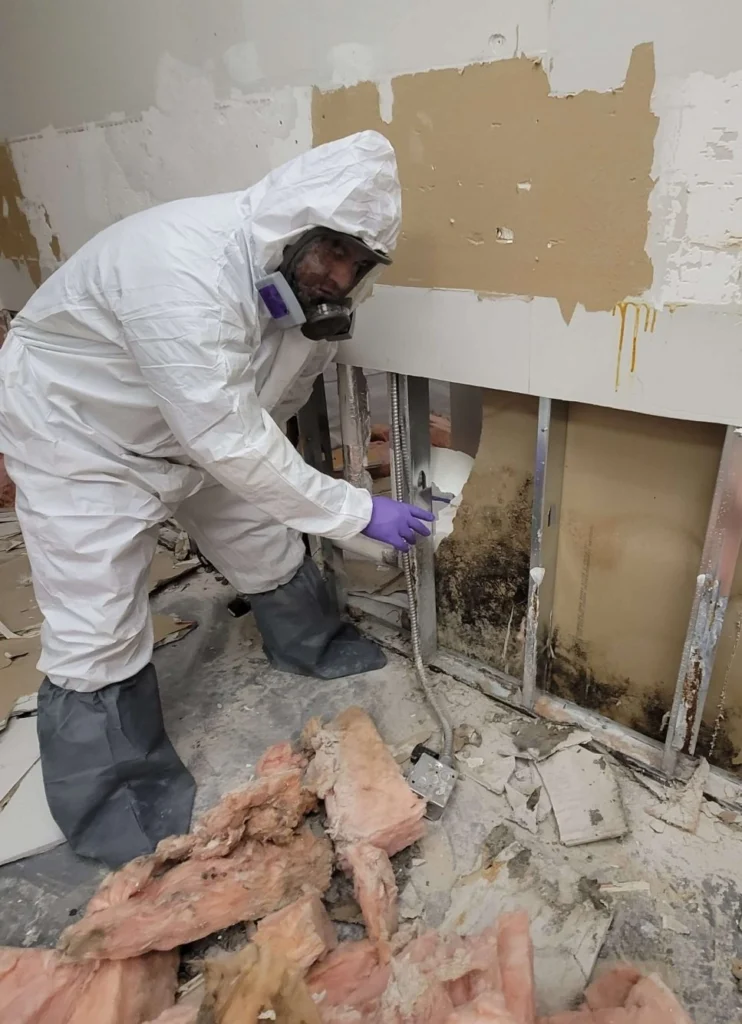
Technicians work in respirators, gloves, and protective suits appropriate to the size and severity of the job. This protects the workers from prolonged spore exposure, but it also reflects a broader safety standard: if the crew needs protective gear to be in that space safely, the homeowner and family certainly should not be exposed to it unprotected either.
Step 4: Removing Unsalvageable Materials
Porous materials that have absorbed mold, drywall, carpet, insulation, some wood, generally cannot be fully cleaned. Mold grows into porous surfaces at a microscopic level that surface cleaning cannot reach. Professionals remove and bag these materials for disposal rather than attempting to save them, which is often the single biggest difference between a remediation job that actually works and a surface-level cleaning that does not.
Step 5: HEPA Vacuuming and Antimicrobial Cleaning
Surfaces that can be saved, framing, subfloor, non-porous materials, are cleaned with HEPA vacuums designed to capture mold spores rather than recirculate them, followed by antimicrobial or antifungal treatment to kill remaining spores and inhibit regrowth. This step is detailed and slow by design; rushing it is how spores get left behind in corners, seams, and joints.
Step 6: Structural Drying
This step answers the “effective” half of the question. Mold cannot regrow without moisture, so professionals use industrial air movers and dehumidifiers to bring the structure, walls, subfloor, framing, down to a safe moisture level, not just a dry-to-the-touch surface. Moisture meters confirm the reading rather than relying on guesswork. This is a step DIY attempts almost always shortcuts, because a box fan and an open window do not come close to the drying power of commercial equipment.
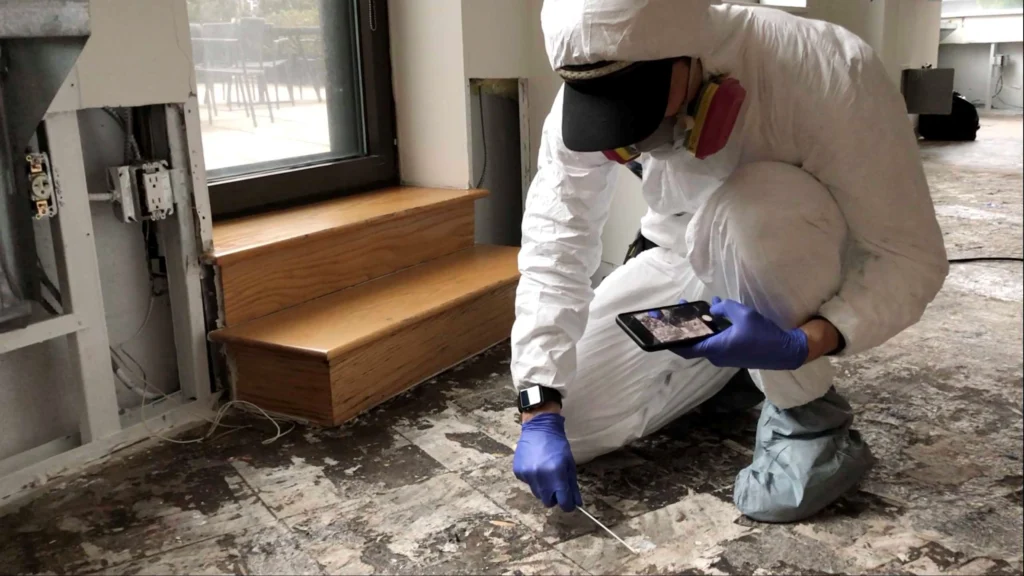
Step 7: Disposal
Contaminated materials are bagged, sealed, and removed from the property following standard safety practices, so spores are not tracked back through the house on the way out. Reputable crews carry these materials directly to disposal rather than staging them inside the home.
Step 8: Post-Remediation Verification
The final step is how a professional actually proves the job worked, rather than just claiming it did. This can include a visual inspection, moisture meter checks confirming the structure is fully dry, and sometimes third-party air quality testing to confirm spore counts have returned to normal, non-elevated levels. A remediation company confident in its work will document this clearance, and it is worth asking for.
Step 9: Fixing the Source
The job is not finished when the mold is gone if the moisture problem that caused it is still there. A leaking pipe, poor grading around the foundation, a failing sump pump, or inadequate ventilation in a bathroom or attic will simply grow the same mold again. Genuine remediation includes identifying and either fixing or clearly flagging this root cause, which is why pairing remediation with a proper water damage inspection matters so much.
Why Safety Is Built Into Every Step
“Safe” in mold remediation is not a marketing word; it describes specific, deliberate engineering choices. Containment stops spores from spreading to unaffected rooms during the work. Negative air pressure and HEPA filtration capture airborne particles rather than letting them recirculate through the home’s air. Protective equipment protects workers from concentrated, prolonged exposure that a homeowner doing an occasional cleanup would not typically face. Sealed disposal keeps contaminated material from shedding spores on the way out of the house.
Mold exposure is widely recognized to cause respiratory irritation and allergy-like symptoms in some people, and those effects tend to be more pronounced for anyone with asthma, existing allergies, or a compromised immune system. That is part of why containment matters so much: a poorly contained job can genuinely make air quality worse during the process, even if the end result looks clean. If anyone in the home has significant respiratory sensitivities, it is worth discussing that directly with the remediation company before work begins so they can plan containment and any necessary accommodations accordingly.
Why Effectiveness Depends on More Than Killing Visible Mold
A lot of well-meaning DIY mold cleanup fails for a specific reason: it kills the mold you can see without addressing the mold you cannot, or the moisture that will regrow it. Bleach, for instance, can lighten or kill surface mold on non-porous materials, but it does very little against mold that has established itself inside a porous material like drywall or wood, and it does nothing to dry out the structure underneath. Paint is worse; it seals the surface while the mold continues growing beneath it, eventually bubbling or peeling the new paint.
Real effectiveness requires three things working together: removing what cannot be cleaned, thoroughly cleaning what can be, and drying the structure to a moisture level that will not support regrowth. Skip any one of the three, and the mold typically returns within weeks or months, often in a worse state because it has had another cycle to establish itself.
Is DIY Mold Removal Ever a Reasonable Option?
Sometimes, yes. Many environmental health guidelines draw a rough line at a small, isolated patch, often cited around 10 square feet or smaller, roughly a 3-by-3-foot area, as something a careful, healthy adult can potentially handle with proper gloves, an N95 or better respirator, and good ventilation, provided the source of moisture is minor and easily fixed, like a one-time spill rather than an ongoing leak.
DIY becomes a poor idea once any of the following are true: the affected area is larger than that rough threshold, the mold followed a flood, sewage backup, or long-term leak, the mold is inside HVAC ductwork, anyone in the home has significant respiratory or immune sensitivities, or you cannot find and permanently fix the moisture source yourself. In those situations, the risk of incomplete cleanup, cross-contamination, or personal exposure outweighs the money saved. A DIY attempt that fails also tends to cost more in the end, since a remediation company then has to address both the original mold and whatever spread during the failed cleanup attempt.
When Should You Call a Professional Mold Remediation Service?
A few signals reliably mean it is time to call rather than reach for a spray bottle.
Visible mold covering more than a small, isolated patch. A persistent musty smell even when you cannot see mold, which usually means it is growing somewhere hidden, inside a wall, under flooring, above a ceiling tile. Any mold connected to a flood, major leak, or sewage event. Mold that keeps returning after you have cleaned it yourself, which almost always means the moisture source was never actually fixed. Anyone in the household experiencing worsening allergy or respiratory symptoms specifically at home, though this should always be discussed with a doctor for a proper diagnosis rather than assumed. And, practically, any time mold shows up during a home sale, since unresolved mold can complicate or derail a real estate transaction.
What Are the Benefits of Professional Mold Remediation?
Beyond simply getting rid of what you can see, professional remediation delivers a few outcomes that are hard to replicate on your own. It addresses the moisture source, not just the mold, which is the only real way to prevent recurrence. It protects indoor air quality through proper containment during the work itself, rather than risking a DIY cleanup that spreads spores further. It protects the structure of the home, since untreated moisture eventually leads to wood rot and more expensive structural repairs. It creates documentation, inspection reports, before-and-after photos, clearance testing, that matters for insurance claims and for real estate transactions. And it comes with a level of accountability that a bottle of bleach and a Saturday afternoon simply cannot offer.
How Do You Hire the Right Mold Remediation Company?
A few things separate a company that will actually solve the problem from one that will just make it look solved temporarily.
Ask whether the company addresses the moisture source as part of the scope of work, not just the visible mold. Ask what containment measures they use and whether they are equipped with HEPA filtration and negative air machines for larger jobs. Ask whether they offer any form of post-remediation verification, and whether that is included or a separate charge. Confirm they carry proper insurance and ask about relevant training or certifications; the mold remediation industry follows widely recognized standards, commonly referenced as the IICRC S520 standard, and a company that can speak fluently about that standard is signaling real training rather than a general handyman approach. Ask for a clear, written scope of work rather than a vague verbal estimate. And check for a real local track record: reviews, a physical business address, and a company that has been doing this work for years rather than months.
A fully certified, experienced crew that treats the moisture problem as seriously as the mold itself is the baseline you should be hiring to.
Which Mold Remediation Service Is Best for Your Situation?
The “best” service is less about brand recognition and more about fit for your specific problem. A small, isolated bathroom ceiling stain from an old, already-fixed leak is a very different job than a flooded basement with standing water damage across a finished space. When comparing quotes, make sure each company is scoping the same job: ask whether their estimate includes moisture source diagnosis, containment, disposal, structural drying, and verification, or only some of those pieces. A noticeably cheaper quote is often cheaper because it is leaving steps out, not because the company is more efficient.
For homeowners in Iowa specifically, local experience carries real weight. Iowa’s climate produces genuinely wet basements and humid summers that create ideal conditions for mold, and a company that has spent years dealing with that specific climate pattern brings pattern recognition that an out-of-area company simply has not built up. A professional mold remediation team with over a decade of regional experience has likely already seen a version of your specific problem many times before.
What Happens After Remediation Is Complete?
A good remediation company does not just pack up and leave once the visible mold is gone. Expect a final walkthrough where the technician explains what was done, shares any documentation or photos, and reviews the moisture source that was addressed. If a structural repair, a leaking pipe, damaged flashing, a failing gutter, was identified as the root cause, that should be clearly explained, along with whether it was fixed as part of the job or needs a separate contractor. Ask about a warranty or guarantee on the work, and get a clear answer on what would trigger a free follow-up visit if anything looks off in the following weeks.
Conclusion: Safe and Effective Are Not Optional Extras
Mold remediation done correctly is a methodical process built around two goals that reinforce each other: doing the work safely, so spores do not spread further during the cleanup, and doing it effectively, so the mold does not simply grow back in six months. That means containment, proper removal of what cannot be saved, thorough cleaning of what can, industrial-grade drying, and, above all, fixing the moisture source that started the problem in the first place. Skipping any of these steps is how “fixed” mold reappears, often worse than before.
If you are dealing with a mold problem and want it handled the right way the first time, The Professional Touch brings 15 years of regional experience, industrial drying and air scrubbing equipment, and a fully certified local crew to every job. Explore their mold remediation services in Fort Dodge to see the full scope of the process, or call (641) 321-6200 for a free assessment. Address the mold, and the moisture behind it, before it costs you more than it should.
FAQs
How long does professional mold remediation take?
Most residential jobs take one to five days, depending on the size of the affected area, how much material needs to be removed, and how long structural drying takes to reach a safe moisture level. Larger jobs involving flooding or extensive material removal can take longer.
Is mold remediation different from mold removal?
Yes. Mold removal refers specifically to physically tearing out and disposing of contaminated materials. Mold remediation is the broader process that includes removal, containment, cleaning, structural drying, and fixing the underlying moisture source so the mold does not return.
Can I stay in my home during mold remediation?
It depends on the size and location of the affected area. Small, well-contained jobs often allow residents to stay, while larger jobs, especially those involving HVAC systems or extensive square footage, may require temporarily relocating, particularly for anyone with respiratory sensitivities. A reputable company will advise you based on your specific situation.
How do professionals confirm that remediation actually worked?
Through post-remediation verification, which typically includes a visual inspection, moisture meter readings confirming the structure has dried to a safe level, and sometimes third-party air quality testing to confirm spore counts are back to normal. Ask whether this is included in your quote.
Is mold remediation covered by homeowners insurance?
Sometimes, depending on the cause. Mold resulting from a sudden, covered event like a burst pipe is often covered, while mold from long-term neglect, humidity, or lack of maintenance frequently is not. Check your specific policy and ask your remediation company for documentation to support a claim either way.
What safety equipment do mold remediation crews use?
Typically respirators, gloves, and protective suits for the crew, along with physical containment barriers, negative air machines, and HEPA filtration to prevent spores from spreading into unaffected areas of the home during the work.
Do I need remediation if I smell mold but cannot see it?
Often, yes. A persistent musty odor without visible mold usually means growth is happening somewhere hidden, inside a wall cavity, under flooring, or above a ceiling. A professional inspection can locate hidden mold using moisture meters and, if needed, air sampling.
How much does professional mold remediation cost?
Cost varies significantly based on the size of the affected area, the extent of material removal needed, and the cause of the moisture problem. Get a written, itemized estimate that clearly includes inspection, containment, removal, drying, and verification so you can compare quotes accurately.